Getting a new water well: what homeowners should know
Planning a private water well: hiring a licensed driller, permits and setbacks, what to ask before drilling, and the annual water tests EPA and CDC recommend.
4 min read · Updated ·
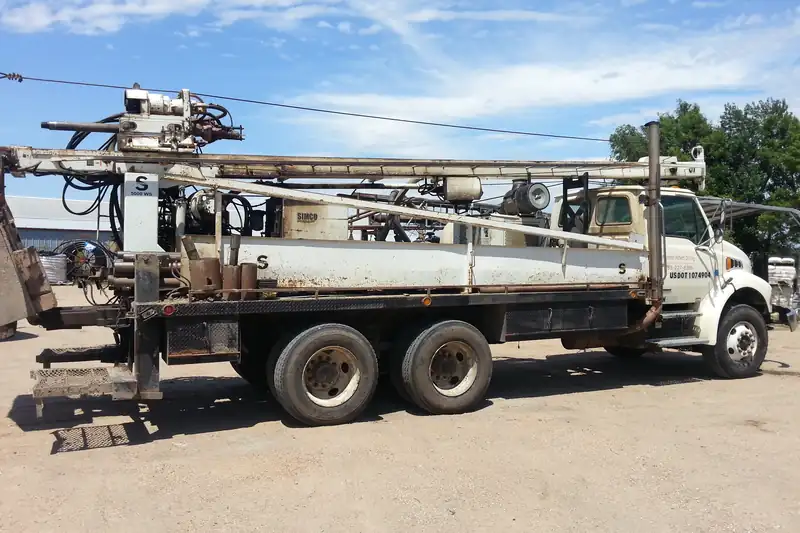
Private wells are the owner’s responsibility: federal public drinking-water rules do not apply to them. Good decisions start before the rig arrives.
Hire a licensed driller
Most states license water well contractors and require permits or well logs. Check the driller’s license with your state agency and ask about recent wells drilled near you. Browse well drilling companies by state.
Permits and setbacks
States and counties set minimum distances between wells and septic systems, property lines and other hazards. Your local health or environmental department can tell you the rules before you pick a site.
Questions to ask
- How is the price structured (per foot drilled, casing, grouting, pump and pressure system)?
- Who handles the permit and the well log filed with the state?
- How will the well be disinfected and tested after completion?
- What happens if the first hole is dry?
Test the water every year
EPA and CDC recommend testing private well water at least once a year for total coliform bacteria, nitrates, total dissolved solids and pH, and testing again after flooding, repairs or changes in taste, odor or color. Use a state-certified lab; your local health department can help.
Common questions
How often should I test well water?
EPA and CDC recommend at least once a year for total coliform bacteria, nitrates, total dissolved solids and pH, plus extra tests if problems or local risks arise.
Who regulates private wells?
Construction is typically regulated by states and local health departments. Federal public drinking-water rules do not cover private household wells.
Sources
General information only. Codes, soils and climates vary — check your local building department and follow product instructions.