Call 811 before you dig: how utility locates work
Why you should contact 811 before digging for fences, footings, trenches or boring, how long it takes, and what each utility marking color means.
4 min read · Updated ·
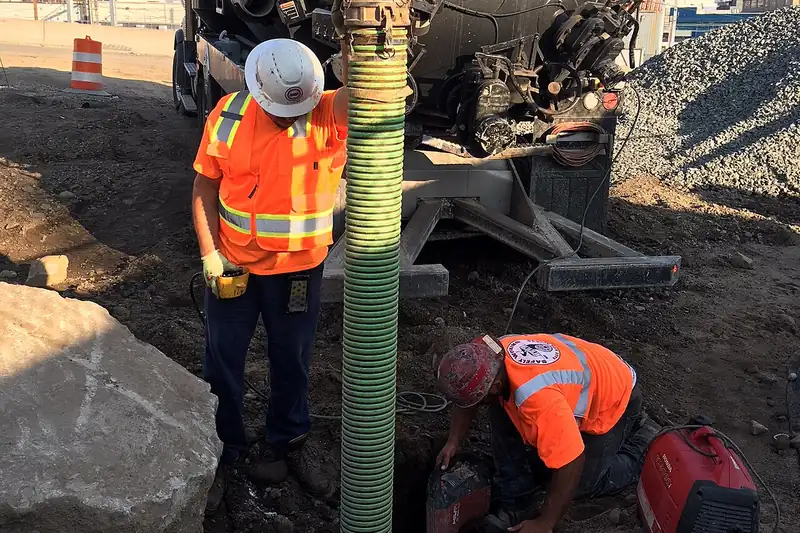
Hitting a buried gas, power or fiber line can injure people and cost a fortune. The 811 system is free and connects you to your state’s one-call center.
How it works
- Call 811 or file an online ticket with your state’s one-call center a few business days before digging. Each state sets its own notice period.
- Describe the dig area; many states ask you to outline it in white paint or flags.
- Utility owners send locators to mark their lines with paint or flags.
- Wait until all utilities have responded, then dig carefully by hand near the marks.
What the colors mean (APWA uniform color code)
- Red — electric power lines, cables, conduit.
- Yellow — gas, oil, steam, petroleum.
- Orange — communications, alarm or signal lines, cables.
- Blue — potable water.
- Purple — reclaimed water, irrigation and slurry lines.
- Green — sewers and drain lines.
- Pink — temporary survey markings.
- White — proposed excavation.
Private lines are not marked
811 marks lines owned by member utilities, usually up to the meter. Lines you own — to a detached garage, a well pump, a sprinkler system or a gas grill — are typically not marked. A private locator can find them.
Digging near marked lines
Pros often expose lines with vacuum excavation (hydro-excavation), and directional boring companies install new conduit under driveways and lawns without open trenches — both still start with an 811 ticket.
Common questions
Is calling 811 free?
Yes. The one-call service and the utility locates it triggers are free to the homeowner.
How long does 811 take?
Each state sets its own waiting period, commonly a few business days. Check your state one-call center.
Sources
General information only. Codes, soils and climates vary — check your local building department and follow product instructions.