Concrete vs. asphalt driveways
A plain-English comparison of concrete and asphalt driveways — how they are built, how they handle heat, cold and salt, and what upkeep each needs.
5 min read · Updated ·
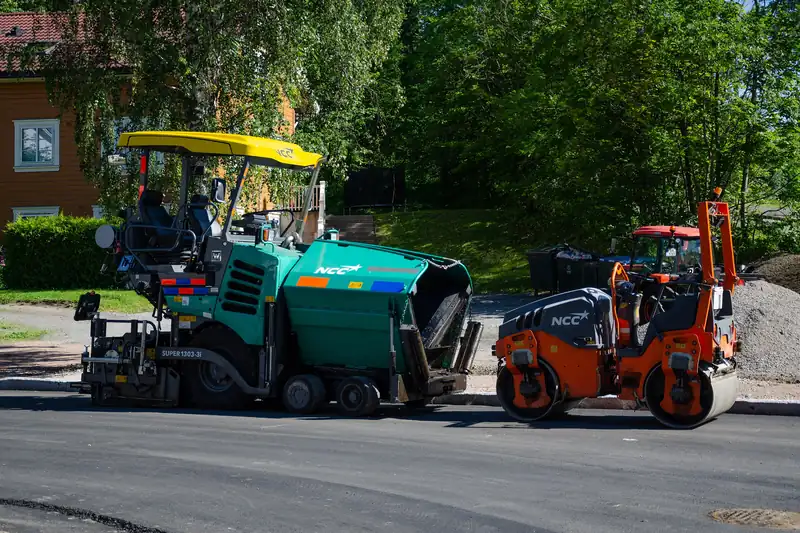
Both make good driveways when built on a solid base. They differ in how they are placed, how they age and how they are maintained.
How each is built
Concrete is placed as a rigid slab with control joints and must cure before use. Asphalt (hot-mix asphalt) is a flexible pavement of aggregate bound with asphalt binder, laid hot by a paver and compacted with rollers; it can usually be driven on much sooner. Find asphalt paving contractors and asphalt plants & suppliers near you.
Climate
- Asphalt can soften on very hot days and show scuffs from turning tires, and dark surfaces get hot.
- Concrete can scale from freeze–thaw and deicing salt if it is not air-entrained, properly finished and cured.
- In cold climates, asphalt’s flexibility and dark color (which helps snow melt) are often cited advantages.
Maintenance
- Asphalt: periodic seal coating and crack filling help keep water out and slow oxidation.
- Concrete: optional sealing, joint maintenance and keeping deicers off young concrete.
Repairs and looks
Asphalt patches and overlays are relatively straightforward, though patches show. Concrete repairs are harder to blend, but concrete offers decorative options such as stamping and color.
Getting quotes
Ask both kinds of contractors to specify base thickness and material, pavement thickness, drainage, and what maintenance they recommend. Our contractor checklist applies to paving companies too.
Common questions
Which lasts longer, concrete or asphalt?
It depends on climate, base, construction quality and maintenance. Both can last many years when built on a proper base and maintained.
How often should an asphalt driveway be sealed?
Follow your paving contractor’s and the sealer manufacturer’s guidance; seal coating is typically repeated every few years.
Sources
General information only. Codes, soils and climates vary — check your local building department and follow product instructions.