Mudjacking vs. polyurethane foam lifting
Mudjacking, polyurethane foam lifting, and concrete leveling compared: holes, materials, cure time, cost starting estimates, and when replacement is the honest answer.
6 min read · Updated ·
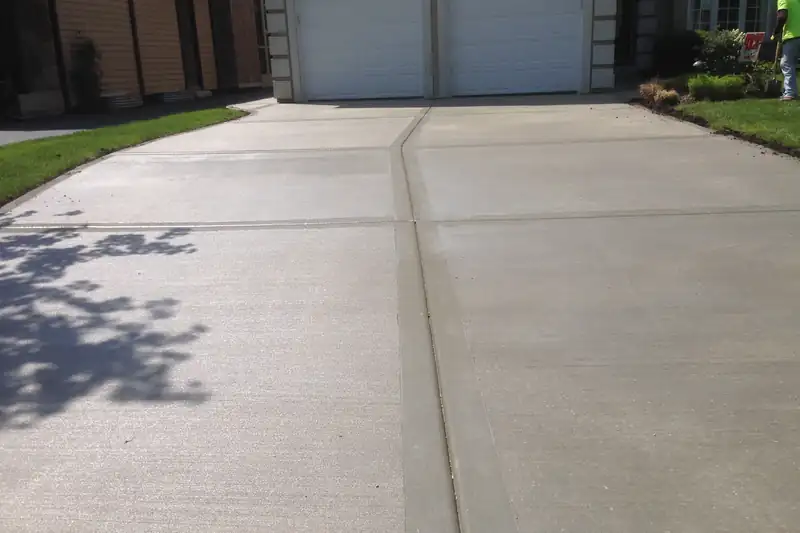
When a sidewalk panel or a section of driveway sinks, the search terms people type — mudjacking, poly foam lifting, and concrete leveling — are all names for raising the existing slab instead of tearing it out. The idea is the same: inject material under the concrete to fill the void and lift it back toward grade. The material and the holes are what differ.
What both methods are doing
A sunken slab usually has a void or a washed-out base underneath. A contractor drills a pattern of holes, injects a material that fills the void and raises the panel, then patches the holes and often addresses drainage so the problem does not come right back. Browse concrete leveling and foundation repair or leveling near you for local companies. The leveling calculator estimates the area, the void volume, a hole grid and a starting installed cost.
A plain comparison
- Mudjacking (also called slabjacking) pumps a cementitious slurry under the slab. Holes are typically larger than foam ports — often in the 1- to 2-inch range, spaced a few feet apart. The slurry adds some weight. It is often the more economical choice on large exterior slabs. Traffic usually has to wait while the slurry gains strength; ask the contractor how long before you can walk or drive on it.
- Polyurethane foam lifting injects an expanding foam through smaller ports. The foam is much lighter than slurry, which is useful on interior slabs or where extra weight is a concern, and it typically reaches handling strength in minutes rather than hours. The installed price per square foot is often higher. Product details vary — the contractor should name the foam and the expected cure.
- Holes and patches. Both leave visible patches. Smaller foam ports are easier to hide on a broom-finished walk; neither is invisible on a decorative surface.
- Starting cost estimates in the calculator are $8 per square foot for mudjacking and $12 per square foot for foam lifting. Those are labeled starting estimates, not a published national price series. Access, the size of the void, interior vs. exterior work, and drainage repairs change the quote.
When replacement is the honest answer
Leveling only works if the slab is still in one piece enough to lift. A panel that is badly cracked, heaved in pieces, or dropped a large amount — the calculator warns at a 6-inch average drop — may need tear-out and a new pour instead. If the settlement is a foundation or structural issue rather than a floating flatwork panel, you want a foundation-repair assessment, not only a lift. A contractor should inspect drainage, voids and the slab before quoting either method. Use the contractor checklist when you compare written estimates.
How to use the calculator
Measure the length and width of the sunken area and the average drop, not only the worst corner. Choose mudjacking or foam. The tool will estimate the void, a hole grid, and a starting cost you can adjust to your state. Then get a local inspection and quote — these numbers are for planning, not a bid.
Common questions
Is mudjacking the same as concrete leveling?
Mudjacking is one method of concrete leveling. Polyurethane foam lifting is the other common method. “Concrete leveling” is the umbrella term; “mudjacking” is the word many homeowners search.
Which lasts longer, mudjacking or foam?
Both can last when the cause of settlement — often water washing out the base — is also fixed. There is no single national study that says one always outlasts the other. Ask what the contractor will do about drainage, and get the warranty in writing.
Can a sunken driveway always be lifted?
No. If the concrete is badly broken, the base has failed, or the drop is very large, replacement may be the better repair. A 6-inch or larger drop is a common signal to look harder at replacement or foundation work.
Sources
General information only. Codes, soils and climates vary — check your local building department and follow product instructions.